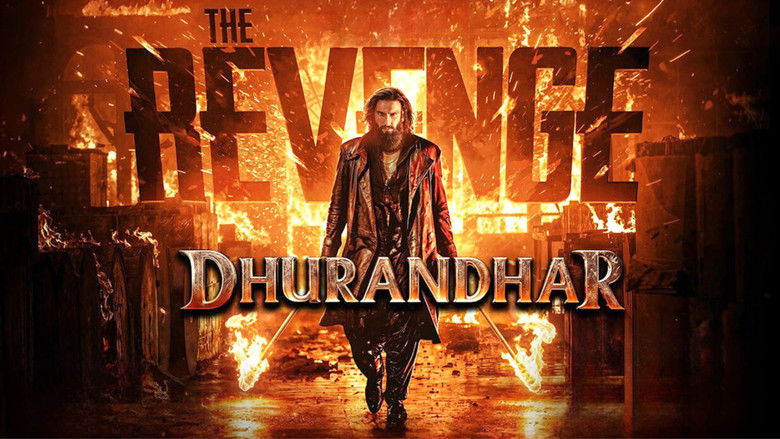
Dhurandhar: The Revenge (2026): Ranveer Singh’s Most Dangerous Role Yet


A man assumes control of a slain gangster’s empire in Lyari, navigating corrupt officials, rival factions, and a shadow enemy whose name alone rewrites the stakes. At 235 minutes, Dhurandhar: The Revenge does not ask for your patience, it demands it, and for long stretches, earns it completely.
Ranveer Singh Disappears Into Hamza, Ferociously and Without Vanity
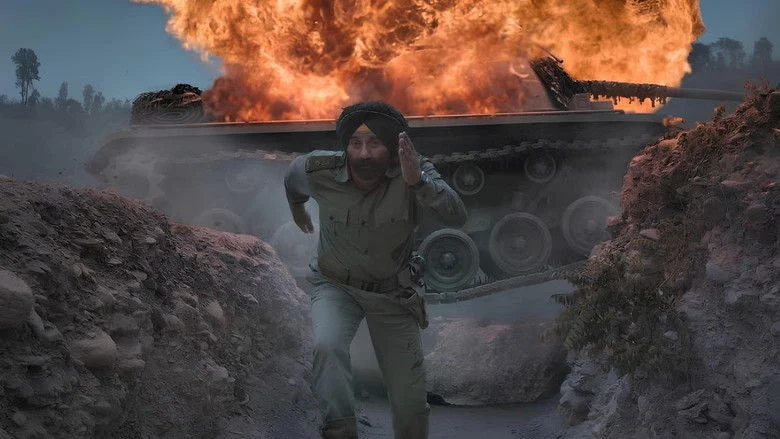
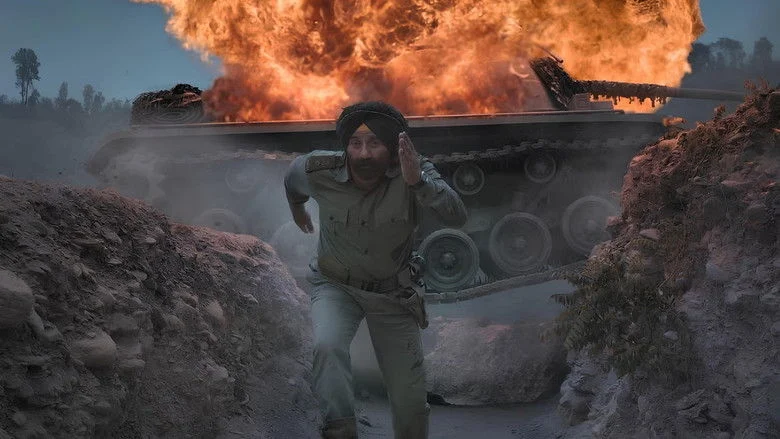
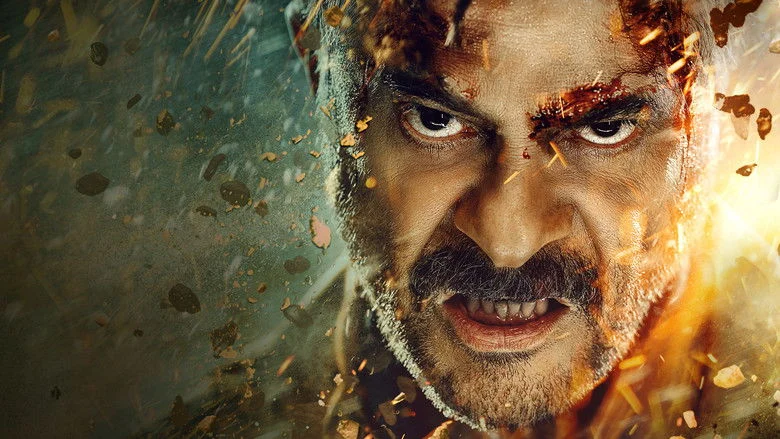
Playing Hamza Ali Mazari, an undercover operative embedded inside a criminal web, Ranveer Singh sheds every trace of his star persona. The film’s prolonged action sequence, built around grotesque physical violence that doubles as Jaskirat’s backstory, is where the performance truly unsettles. Singh does not perform pain here. He inhabits it.
What makes this role work is the accumulated weight of contradiction. Hamza must be predator and patriot simultaneously. That moral erosion, quietly tracked across the film’s non-linear structure, is Singh’s most disciplined work in years.
Aditya Dhar’s Timeline Manipulation Is Brilliant; His Restraint Less So
Dhar’s clearest strength here is structural audacity. The way he engineers the timeline, weaving Jaskirat’s flashback into Atif Ahmed’s introduction and pulling it forward toward the revelation of Bade Sahab as Dawood Ibrahim, is genuinely sharp filmmaking. It rewards attention.
The weakness, though, is one of proportion. At nearly four hours, the film carries significant fat in its mid-sections. The screenplay, despite its non-linear ambition, does not always justify the length it demands.
I found myself checking the clock during certain gang negotiation passages, which is never a good sign for a thriller. Dhar trusts his world-building, sometimes too generously.
The Lyari Gang Wars Are Where the Film Finds Its True Register
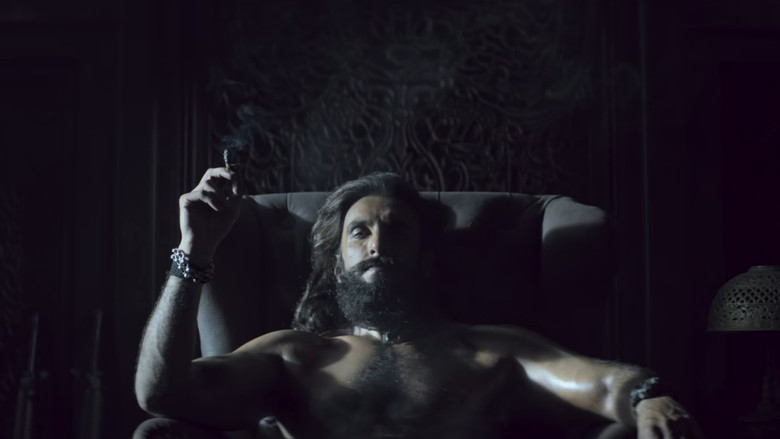
As an action-thriller, Dhurandhar: The Revenge operates most confidently in its depiction of the Lyari gang wars. The film understands that power in this world is not taken cleanly. It shifts through betrayal, bureaucracy, and blood.
The sequences showing Hamza navigating rival gang demands and corrupt officials, including the web around Major Iqbal and Jameel Jamali, carry genuine procedural tension. These scenes feel researched, not staged. The crime-politics nexus is rendered with specificity rare in mainstream Hindi action cinema.
The film’s escalation, from gang takeover to a mission conclusion that ends with SP Chaudhry Aslam’s death and the beginning of the unknown gunmen saga, is structured with real craft. The pacing here is described as breakneck, and it earns that word.
If you enjoy the intersection of crime, politics, and espionage in Hindi cinema, Hindi Action reviews on this site cover the genre extensively.
Arjun Rampal as Major Iqbal Brings a Cold, Underused Menace
Arjun Rampal’s Major Iqbal is the kind of antagonist who is most threatening in stillness. Rampal calibrates his presence carefully, corrupt authority worn as casual entitlement. There is real danger in his scenes with Hamza, even when the script does not fully exploit it.
Sanjay Dutt and Madhavan both register in their respective spaces, though the research does not document specific scene-level distinctions for either. What is clear is that the ensemble around Singh is solid enough to sustain the film’s enormous runtime without collapsing.
The Dawood Ibrahim Reveal Sparks Controversy That the Film Partly Invites
The decision to name Bade Sahab explicitly as Dawood Ibrahim, and to build the film’s climax around that reveal, has drawn predictable responses. Some audience corners have flagged the film as propaganda, a charge that Dhar’s approach to Pakistan’s crime infrastructure does not entirely deflect.
The film is not neutral in its politics. It is not trying to be. Whether that ideological clarity reads as conviction or agenda will depend entirely on what the viewer brings to the theatre.
If moral ambiguity in crime narratives is what draws you, the Paharganj to review covers another film wrestling with its own ambitions across a very different canvas.
Dhurandhar: The Revenge is not a film for every Friday evening. It is long, deliberately brutal, and structurally demanding, qualities that will alienate casual viewers and reward those willing to commit. The timeline play around Jaskirat’s backstory and the Dawood revelation alone make it worth the investment for anyone who takes the genre seriously. Watch it on the largest screen available; this is not built for a phone.
Dhurandhar: The Revenge earns a 3.5 out of 5, a film that Aditya Dhar and Ranveer Singh largely pull off despite its considerable self-indulgences, and one that marks a genuinely ambitious entry in the Hindi action-thriller space.
For another ambitious Indian film that struggles to fully honour its own premise, the Vanaveera 2026 verdict makes for a revealing companion piece.
Ankit Jaiswal is the Chief Author, covering Indian cinema and OTT releases with honest, no-filler criticism. An SEO strategist by background, he brings a research-driven approach to film writing, cutting through hype to tell you exactly what's worth your time.